Are you a compass or an empath?
Being an empath is neither good nor bad. Being a compass is a continuous action for good.

Compassion is the action to reduce suffering, an active engagement inside and outside of oneself. I call someone enacting such beautiful activities a compass.
An empath is “a person who has an unusually strong ability to feel other people’s emotional or mental states.” Empathy does not imply an activity to reduce suffering.
“People will forget what you said, people will forget what you did, but people will never forget how you made them feel.” — Maya Angelou.

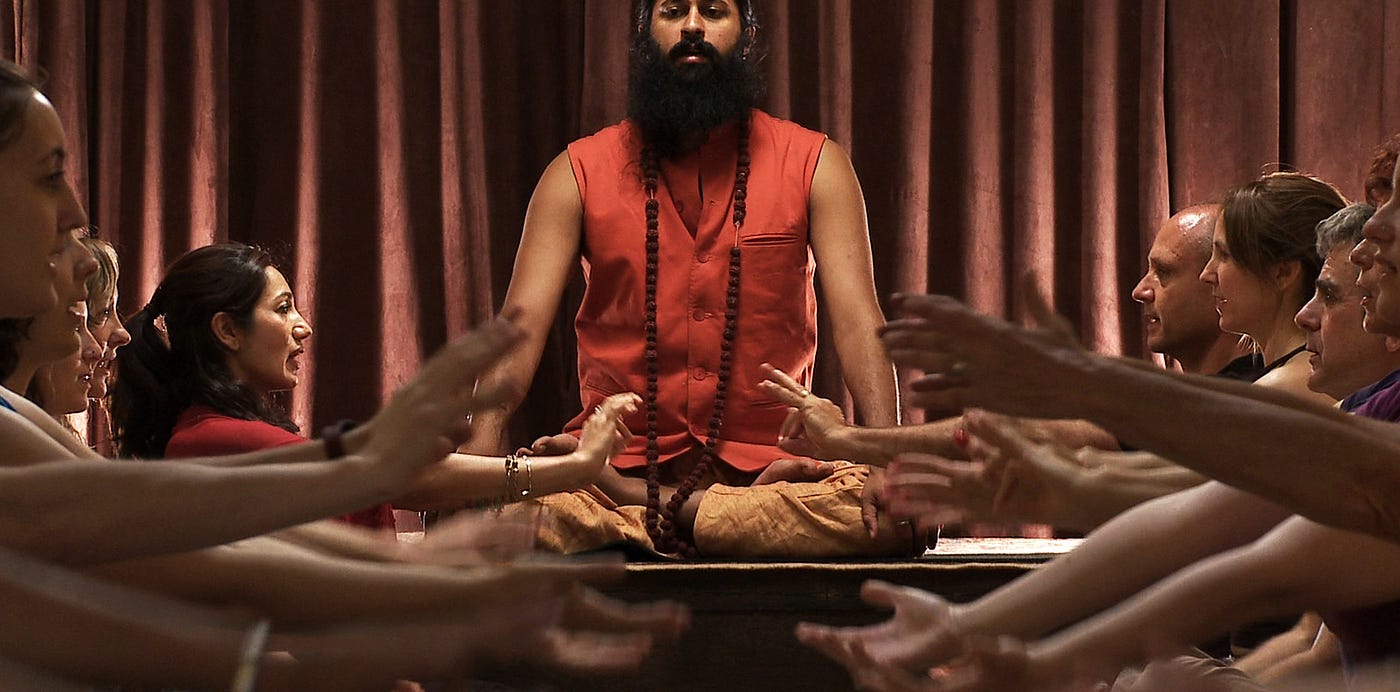
Aren’t for instance dictators some of the greatest empaths out there? People need to understand the emotions of others — the definition of empathy — to influence them to join their cause. And the cause does not have to even serve the ones being swayed by the highly empathetic and relatable — yet potentially ill-intended — person, for instance an authoritarian. They just feel and “know” how to manipulate a person’s and large masses’ feelings.
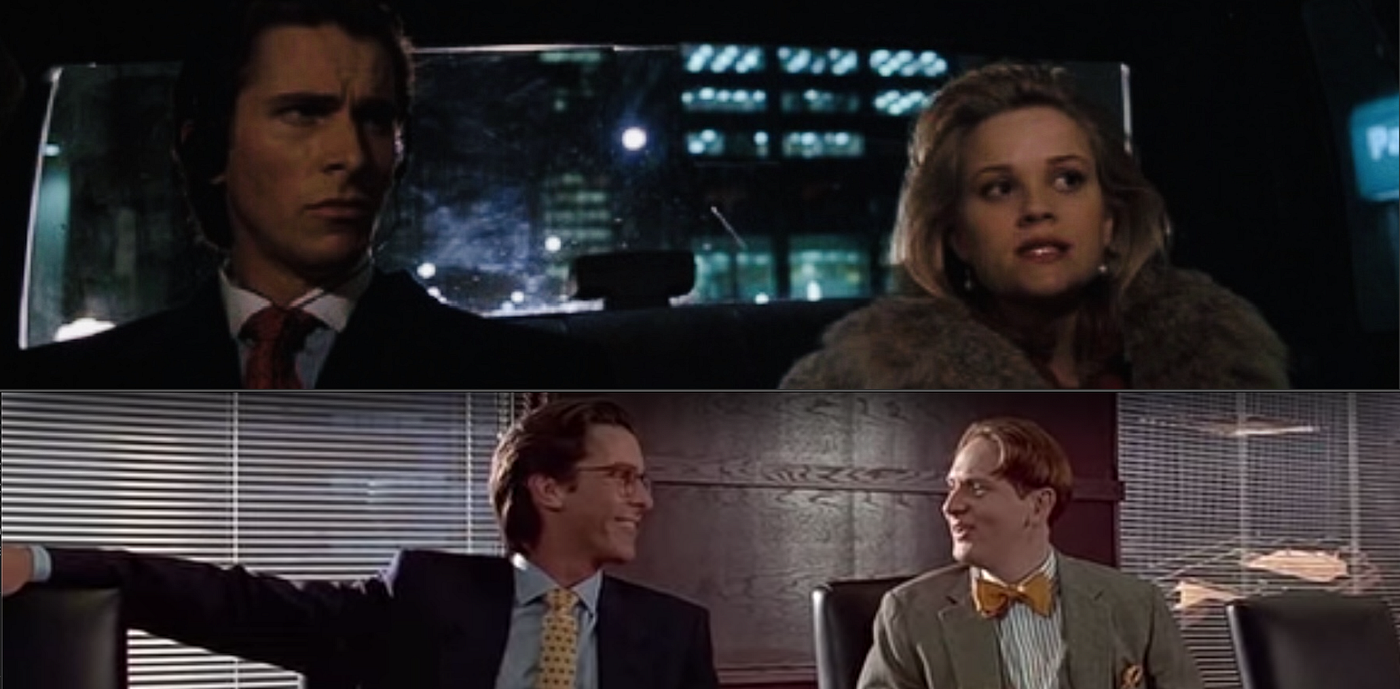

As a kid growing up in Germany, too, I was always surprised why people followed a leader who was so mean just a few decades earlier. Now I have seen many examples all over the world that seem inexplicable. But I remember a friend, a top journalist, who said some of the learning politicians he has met radiate this “aura of trust and confidence that they can get anything done.”
What gives me confidence and trust in a person is seeing a gesture of enacted good will to help oneself and others.

In the final scene of Life of Brian, Eric Idle’s stoicism-inspired song “Always Look on the Bright Side of Life” inspires all crucified people to sing along:
When you’re chewing on life’s gristle
Don’t grumble, give a whistle
And this’ll help things turn out for the best
And always look on the bright side of life
Always look on the light side of life
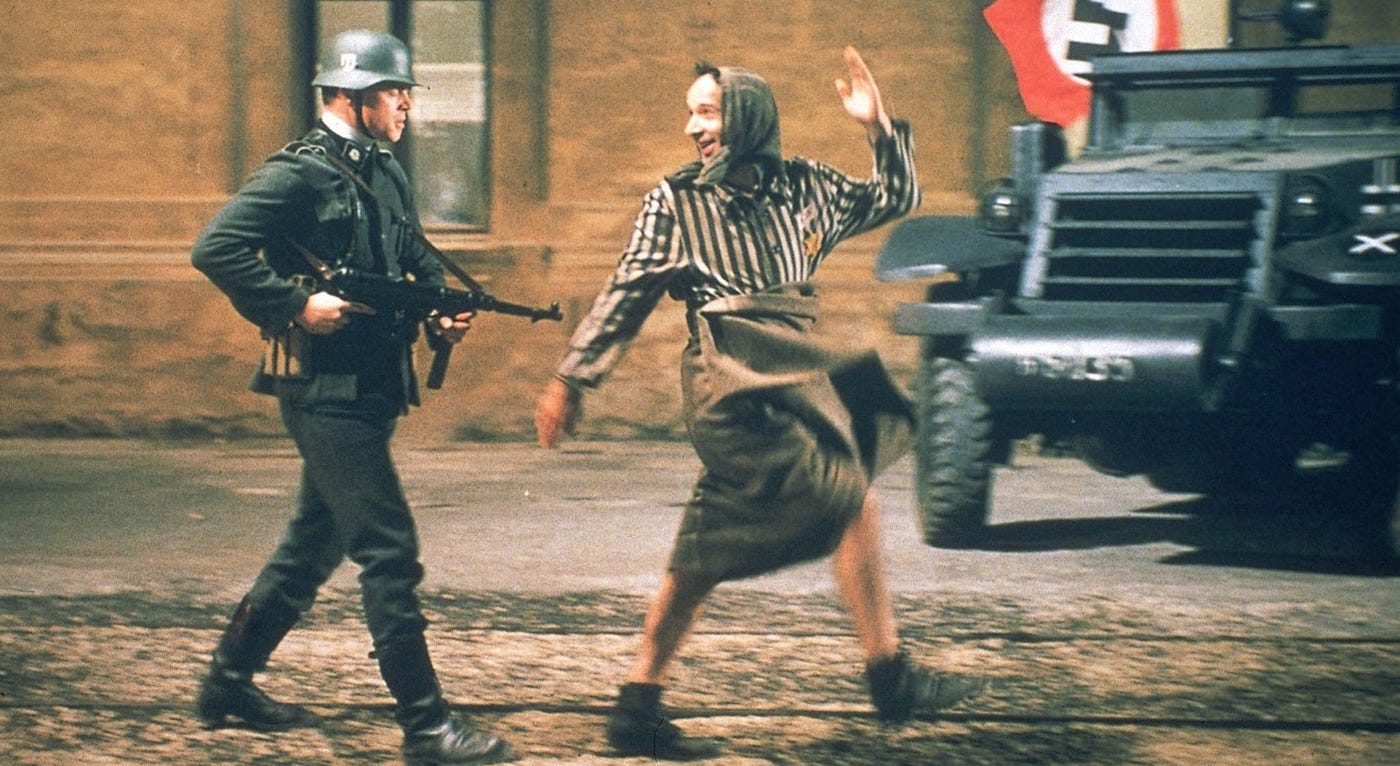
In the movie Life Is Beautiful (1997) by Roberto Benigni a Jewish father named Guido is imprisoned in a concentration camp with his son Giosuè and goes to absurd and humorous lengths to shield Giosuè from fully realizing the monstrous reality surrounding them. Roberto Benigni, who co-wrote, directed, and starred in the film, played this epic role with conviction, compassion, and comedy, challenging viewers to wonder how far they would go to spare their child from ugly truths. It recently inspired a Ukrainian mother.
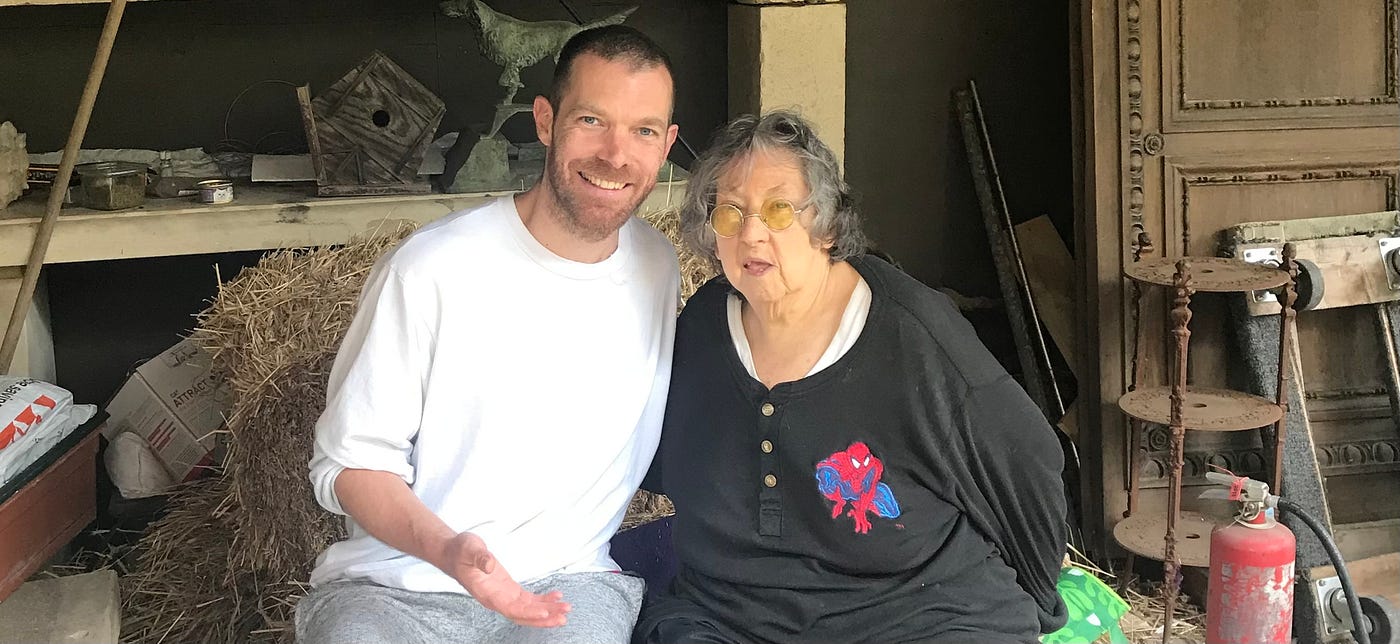
To compliment or to smile can be simple yet highly effective compassionate actions to make someone’s life in the moment better. I remember my friend Maryann’s smile and words every day. She who passed away last year due to COVID-19. “Your breathwork sessions always made me feel one of the happiest moments in my life.” She came to my breathing sessions for years prior to the pandemic. I know it is a moment-to-moment action to be compassionate. And understanding others’ sufferings is a prerequisite.
Someone’s actions show their intentions and accountability. For instance if someone claims to be an “empath” and implies they are compassionate, it would show in their resilience and drive towards a more loving, caring and peacefully aligned world — over a potential self-indulgence in words and claim to fame. And those actions are observable.
I am still learning daily and I believe understanding my own and people’s emotions is necessary — and a challenge to accurately sense. I failed a lot and can only ask for forgiveness to the ones I have caused more harm than good with my words and actions. But I embrace the challenge to become better in each moment and (inter-)action.
Let’s all be compasses for each other to create a better world based on increasing happiness, reducing suffering, empathy and enacted good will.
Be a compass :)